
In an unexpected maritime event that caught the attention of New Yorkers and international observers alike, a Mexican naval training ship struck the Brooklyn Bridge, sparking concern over navigational safety in congested urban waterways. While no injuries were reported, the incident raises questions about protocol, communication, and the broader issue of ship strikes—a term often used in both commercial and conservation contexts.
The Incident: What Happened?
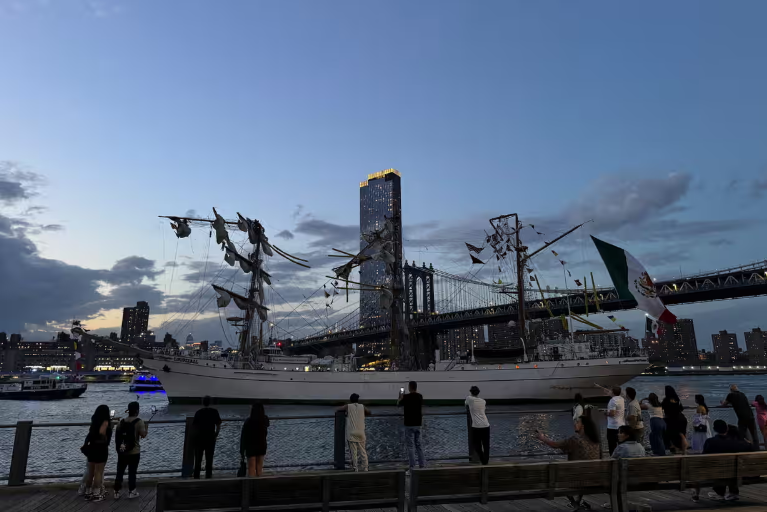
On a quiet weekday morning, the Mexican Navy’s renowned training vessel, ARM Cuauhtémoc, collided with the underside of the Brooklyn Bridge while maneuvering through the East River. The ship, which was on a goodwill tour with stops planned across the U.S. East Coast, misjudged its clearance under the bridge, leading to minor structural damage on both the vessel and the bridge’s lower framework.
Though the damage was not deemed critical, this ship strike serves as a stark reminder of the delicate balance between urban infrastructure and maritime navigation, especially in older cities like New York, where bridges were built in earlier eras without anticipating today’s complex marine traffic.
What Is a Ship Strike?
The term “ship strike” generally refers to a collision between a watercraft and another object, which could be infrastructure (such as bridges or docks), other vessels, or even marine life like whales. While this incident involved a ship hitting a bridge, it shares characteristics with other types of ship strikes that occur due to navigational errors, equipment failure, or miscommunication.
Common types of ship strikes include:
- Vessels hitting bridges or harbor infrastructure
- Collisions between ships and marine animals (especially whales)
- Accidents involving docks or piers
This event highlights the risks ships pose not only to ecosystems but also to urban structures and traffic flow, making it a matter of public safety and operational integrity.
Causes Behind the Brooklyn Bridge Collision
Initial reports from maritime authorities suggest a combination of factors may have contributed to the collision:
1. Tidal and Clearance Misjudgment
The East River is known for its complex tidal patterns, and the ship may have attempted passage during an unfavorable tide, reducing available clearance.
2. Communication Breakdowns
Whether between the ship’s crew and local harbor pilots, or between onboard navigational systems and real-time environmental data, any lapse in communication could result in miscalculations.
3. Manual Navigation Oversight
Training ships like the Cuauhtémoc often rely on manual navigation as part of cadet education. While this is great for learning, it also increases the margin for human error.
Ship Strikes: A Broader Maritime Issue
While infrastructure collisions like this one are rare, the larger issue of ship strikes is far more common—and dangerous—when marine animals are involved.
In oceans worldwide, ship strikes are a leading cause of death for endangered whale species, including the North Atlantic Right Whale. These accidents often go unreported and highlight the urgent need for better ship detection and slow-speed zones in ecologically sensitive areas.
In both human and environmental contexts, ship strikes have significant consequences:
- Economic costs due to repairs and inspections
- Legal and diplomatic ramifications, especially involving foreign vessels
- Ecological damage, particularly when involving marine life
- Disruption to port operations and urban traffic
What Happens Next?
New York authorities, in collaboration with the U.S. Coast Guard, have launched an investigation into the incident. Meanwhile, the Mexican Navy has issued a formal statement, expressing regret and pledging full cooperation.
Bridge inspections are currently underway to assess long-term structural integrity, while the Cuauhtémoc has been temporarily docked for repairs. No criminal or civil charges have been filed as of this writing, but officials say the event could lead to updated clearance protocols for future visiting vessels.
Preventing Future Ship Strikes
To minimize future occurrences like this, experts recommend:
- Upgrading navigational systems with real-time clearance data
- Mandating local harbor pilot supervision for foreign or large vessels
- Better training for cadets in urban maritime environments
- Installing warning systems on key bridges to alert ships when tides make passage unsafe
Final Thoughts: A Wake-Up Call for Maritime Safety
The incident involving the Mexican naval training ship striking the Brooklyn Bridge may have ended without injuries or catastrophic damage, but it shines a spotlight on the growing concern over ship strikes in busy waterways. As cities grow and ports see more international traffic, ensuring the safe coexistence of marine operations and urban infrastructure becomes a top priority.
This unusual navigational event serves not only as a case study for naval academies but also as a reminder for all nations to invest in smarter, safer, and more adaptive maritime systems.