
In April 2025, Apple’s highly publicized China Celebration — meant to mark the 30th anniversary of its operations in the country — unexpectedly ignited a global PR crisis. What was designed to be a harmonious blend of cultural tribute, corporate pride, and economic optimism turned into a controversy that caught global attention, especially after the release and swift takedown of a podcast episode featuring Chinese influencers and state-linked narratives.
In this blog, we’ll explore how Apple’s well-intentioned China Celebration became a public relations nightmare and what it reveals about today’s complex global business landscape.
Apple’s Grand China Celebration: A Strategic Event
Apple’s China Celebration was more than just a corporate milestone — it was a high-stakes branding initiative aimed at reinforcing its long-standing relationship with Chinese consumers, suppliers, and officials. The event included:
- Apple introduced exclusive products adorned in vibrant red and gold hues, symbolizing traditional Chinese aesthetics.
- A documentary podcast titled “Made in Harmony: Apple in China”.
- Collaborations with Chinese artists and influencers.
- A promotional campaign heavily circulated on Weibo, Douyin, and global platforms.
From the outside, it looked like a textbook case of local market adaptation. But within days, things took a sharp turn.
The Podcast That Sparked the Controversy
The center of the storm was Apple’s branded podcast episode featuring pro-China sentiments from state-affiliated guests. While the podcast highlighted China’s contributions to global tech innovation, it included content that critics say downplayed sensitive human rights issues and painted an overly sanitized view of the geopolitical climate.
Global observers, particularly from Western nations, criticized Apple for allegedly promoting state-influenced narratives and sacrificing its core principles to safeguard its presence in the Chinese market. Tech analysts, human rights advocates, and some loyal Apple customers began questioning the company’s stance on ethical corporate responsibility.
PR Fallout: A Global Echo Chamber
The backlash was swift and intense:
- Major media outlets in the U.S. and Europe criticized Apple for being tone-deaf.
- Hashtags like #AppleHypocrisy and #ChinaCelebrationControversy trended on X (formerly Twitter).
- Apple unveiled special edition items featuring bold red and gold tones, reflecting elements of classic Chinese cultural symbolism.
- Some investors expressed concern over the company’s alignment with sensitive political narratives.
In response, Apple quietly removed the controversial podcast episode without issuing a formal apology, leading to even more criticism. Many viewed this silence as avoidance rather than accountability.
Balancing Market Growth and Moral Ground
China represents nearly 20% of Apple’s global revenue and is home to some of its largest manufacturing hubs. The China Celebration was, understandably, a move to reinforce this critical relationship. However, the incident highlights a growing challenge for global brands: balancing commercial interests with public expectations for ethical consistency.
Apple is not alone in facing this dilemma. Brands like Nike, H&M, and Disney have also experienced similar blowbacks when trying to navigate China’s tightly controlled media environment and geopolitical sensitivities.
But Apple’s situation is unique due to its influential status in both the tech world and the human rights discourse. Consumers expect more from a brand that promotes privacy, freedom, and innovation.
Lessons from the China Celebration
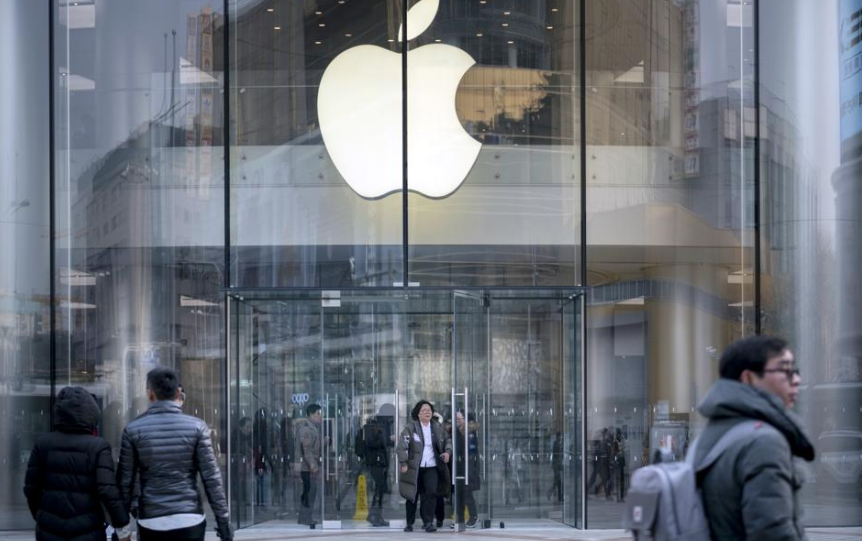
Apple’s China Celebration controversy offers key takeaways for global businesses:
- Transparency is Non-Negotiable: Pulling content without explanation damages trust more than the content itself might have.
- Know Your Audience (All of Them): Global brands must consider how local messaging can be interpreted globally, especially in an interconnected digital world.
- Don’t Mix Corporate Celebration with Political Messaging: A cultural or market-specific event should remain focused on shared values, not contentious narratives.
- Crisis Management Is a Global Game Now: A local misstep can become a global headline within minutes.
What’s Next for Apple?
As Apple continues to expand its global footprint, it faces increasing scrutiny over how it manages political, ethical, and cultural tensions. While the China Celebration was intended to be a gesture of respect and acknowledgment, it instead sparked a deeper conversation about the price companies pay for market access in geopolitically complex regions.
To regain global trust, Apple may need to reassess how it communicates across cultures, reestablish its commitment to universal values, and invest in better risk management for brand-sensitive content.
Conclusion
Apple’s China Celebration started as a proud corporate milestone but evolved into a cautionary tale of how cultural celebration can become a PR conundrum in a globalized world. For Apple — and any company with an international audience — the line between cultural appreciation and political entanglement must be navigated with care, clarity, and courage.
As consumers become more socially conscious and globally aware, corporations must remember that authenticity, transparency, and consistency are no longer optional — they are expectations.